

How to Apply GDPMD License in Malaysia: Step-by-Step Guide for Medical Industry Compliance
January 2, 2026
Why HACCP Is Important for Food Businesses & How to Apply in Malaysia
January 2, 2026
For Malaysian businesses, ISO certification serves as a powerful tool to build trust, meet compliance requirements, and streamline internal operations. It reinforces your organisation’s commitment to delivering consistent quality, ensuring safety, or adopting sustainable practices—depending on the certification you pursue.
But with various ISO certifications available, each serving different operational goals, how do you know which one suits your business best?
This article covers the most relevant types of ISO certifications, outlines their benefits by industry, and breaks down the steps to apply for ISO certification in Malaysia.
Top 8 ISO Certification Benefits for Malaysian Businesses
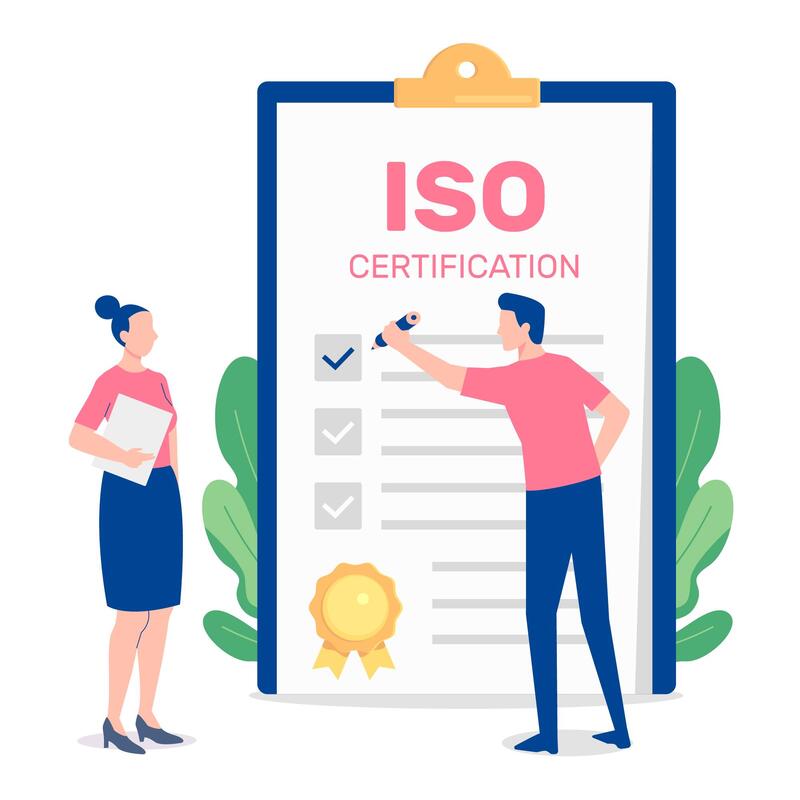
ISO certification delivers long-term value for businesses across industries in Malaysia.
1. Improves internal processes
Establishes clear procedures and documentation, reducing errors and ensuring consistency across operations.
2. Increases customer trust
Demonstrates a commitment to quality, safety, or sustainability, making your brand more credible in both local and international markets.
3. Supports tender eligibility
Many government tenders, GLC contracts, and multinational clients list ISO certification as a minimum requirement.
4. Reduces operational risks
Helps you identify and manage risks more effectively, from workplace safety to data protection and environmental impact.
5. Enhances regulatory compliance
Aligns your business with Malaysian laws and industry standards, reducing the chances of legal or financial penalties.
6. Boosts efficiency and cost savings
Minimises waste, streamlines workflows, and enables smarter resource planning, leading to better profit margins.
7. Encourages continuous improvement
Promotes a culture of accountability and regular performance review, helping your team adapt and improve over time.
8. Strengthens export readiness
International buyers often prefer or require certified suppliers, making ISO a gateway to global expansion.
6 Types of Industry ISO Certification in Malaysia
Selecting the right ISO certification begins with understanding your business priorities, operational risks, and the expectations of your stakeholders. It’s important to align the certification with your company’s specific industry requirements and long-term goals.
Let’s look into what ISO certification is ideal for your business.
1. ISO 9001: Quality Management System

ISO 9001 certification Malaysia sets the standard for a robust Quality Management System (QMS), helping businesses deliver consistent products and services that meet customer and regulatory requirements. It provides a framework for continuous improvement and operational efficiency.
Industries Suited For
Manufacturing, engineering, logistics, construction, education, healthcare, retail, and service-based sectors. ISO 9001 is a versatile and fundamental quality management system standard that can be implemented across virtually any industry.
Key Benefits
- Improves product and service consistency through structured processes and performance monitoring.
- Increases customer satisfaction by ensuring quality control at every stage.
- Enhances internal efficiency by streamlining documentation, reducing defects, and eliminating non-conformities.
- Builds credibility and trust with clients, partners, and regulatory bodies—essential when bidding for tenders or entering new markets.
- Supports scalability by putting systems in place that can adapt to growth or new business demands.
ISO 9001 is often the foundation certification that supports integration with other ISO standards, making it a smart starting point for businesses looking to improve across multiple operational areas.
2. ISO 14001: Environmental Management System

ISO 14001 training in Malaysia provides a framework for managing environmental responsibilities in a systematic way. It helps organisations identify, control, and reduce the environmental effects of their activities, while ensuring regulatory compliance.
Industries Suited For
Construction, agriculture, manufacturing, oil & gas, energy, logistics, and any industry with environmental impact.
Key Benefits
- Reduces environmental impact by guiding waste reduction, energy efficiency, and resource conservation initiatives.
- Ensures regulatory compliance, reducing the risk of fines or shutdowns.
- Enhances corporate image and reputation by demonstrating sustainability efforts to clients, investors, and the public.
- Supports long-term cost savings through more efficient use of materials and energy.
- Improves stakeholder confidence by showing a commitment to environmental responsibility and corporate social responsibility (CSR).
ISO 14001 is beneficial for companies aiming to future-proof their operations and meet growing demands for sustainable business practices.
Want to reduce your environmental impact and meet regulatory standards? Learn more about ISO 14001 and how it can benefit your business.
3. ISO 13485: Medical Device Quality Management System
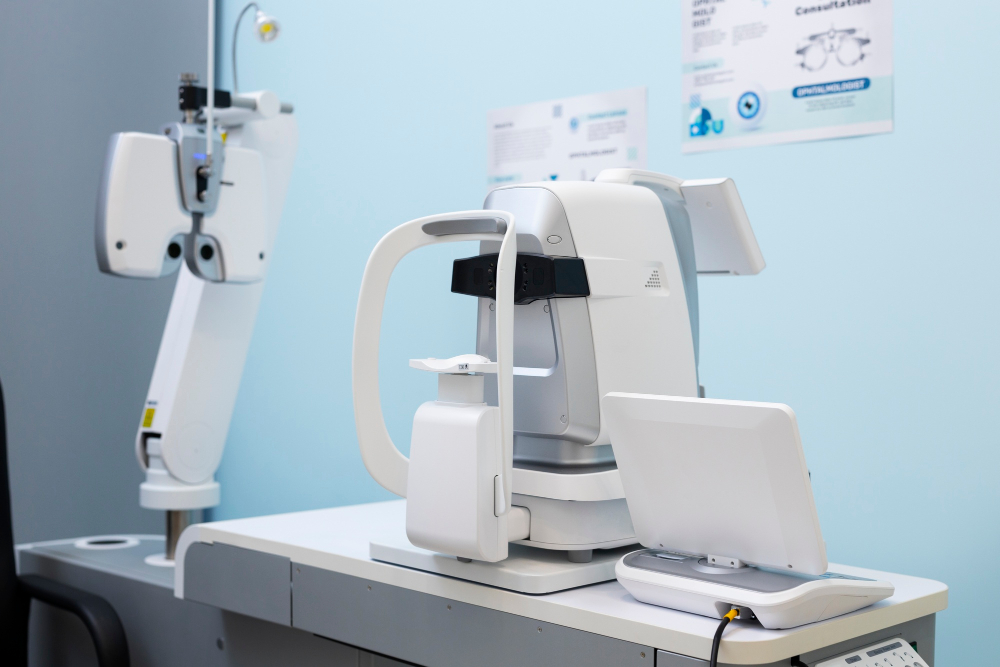
This standard outlines the requirements for a quality management system specifically tailored to the medical device industry. It focuses on ensuring product safety, regulatory compliance, and effective risk management throughout the lifecycle of a device—from design and development to production and servicing.
Industries Suited For
Medical device manufacturers, suppliers, distributors, service providers, and related healthcare product companies.
Key Benefits
- Supports compliance with medical regulations such as Malaysia’s Medical Device Authority (MDA), CE marking (Europe), and FDA requirements (USA).
- Improves product safety and reliability by enforcing strict design, production, and documentation controls.
- Strengthens process control and risk management across the entire device lifecycle—from design to post-market servicing.
- Increases trust among healthcare providers by demonstrating commitment to international quality standards.
- Facilitates global market access for Malaysian medical device companies seeking international partnerships or distribution.
For businesses operating in or supplying to the medical and healthcare sectors, ISO 13485 certification in Malaysia is essential for ensuring both regulatory approval and patient safety.
Ensure your medical devices meet international standards—learn more about ISO 13485 and how it strengthens quality, safety, and regulatory compliance.
4. ISO 27001: Information Security Management System

ISO 27001 training in Malaysia provides a structured framework for establishing, implementing, maintaining, and continuously improving an Information Security Management System (ISMS). It helps businesses safeguard critical data, reduce cyber risks, and ensure compliance with privacy regulations like Malaysia’s Personal Data Protection Act (PDPA).
Industries Suited For
ICT companies, financial institutions, legal firms, e-commerce platforms, data centres, government agencies, and any organisation managing sensitive or confidential information.
Key Benefits
- Protects sensitive information from cyber threats, unauthorised access, and data breaches.
- Supports regulatory compliance with PDPA, GDPR, and industry-specific data protection laws.
- Enhances client and stakeholder trust by demonstrating a proactive approach to information security.
- Improves risk assessment and mitigation through systematic identification and management of vulnerabilities.
- Strengthens business continuity by reducing the likelihood and impact of security incidents.
For businesses in data-driven sectors, ISO 27001 is essential to stay competitive, ensure resilience, and build digital trust in today’s security-conscious environment.
5. ISO 22301: Business Continuity Management System

ISO 22301 helps organisations prepare for, respond to, and recover from disruptive incidents. It focuses on identifying critical operations and implementing systems that keep the business running during emergencies—minimising downtime and protecting reputation and revenue.
Industries Suited For
Banks, insurance companies, logistics providers, telecommunications, government agencies, healthcare institutions, and other critical service sectors.
Key Benefits
- Maintains essential functions during crises such as system failures, cyberattacks, or natural disasters.
- Minimises operational disruptions through proactive planning and recovery strategies.
- Boosts stakeholder confidence by showing a strong commitment to resilience and risk management.
- Improves internal preparedness through well-defined roles, response plans, and communication protocols.
- Supports regulatory and industry compliance with business continuity and disaster recovery standards.
Business interruption isn’t always avoidable—but by having ISO 22301 training in Malaysia, you can stay in control and recover with speed and clarity.
6. ISO 45001: Occupational Health and Safety Management System

ISO 45001 in Malaysia focuses on improving workplace health and safety by identifying hazards, preventing injuries, and fostering a safe working culture. It replaces OHSAS 18001 and provides a globally recognised system for managing occupational health and safety risks.
Industries Suited For
Construction, manufacturing, oil & gas, logistics, warehousing, facility management, and any industry with high-risk working environments.
Key Benefits
- Reduces workplace incidents and hazards through structured risk assessments and preventive controls.
- Promotes a culture of safety where employees feel protected, informed, and empowered.
- Enhances compliance with local regulations, including Malaysia’s Department of Occupational Safety and Health (DOSH) standards.
- Improves employee morale and productivity by demonstrating care and responsibility.
- Reduces downtime and costs related to accidents, claims, or non-compliance penalties.
Embedding ISO 45001 into your operations reflects a serious commitment to safety, compliance, and long-term workforce wellbeing.
Ready to improve workplace safety and incident response? Discover how a QR-based reporting system can streamline safety management across your site.
In the food industry and not sure where to begin? Learn how to identify the right certification for your business—from GMP Certification in Malaysia and HACCP certification Malaysia to understanding how to get halal certificate and what is FSC 22000.
How to Apply for ISO Certification in Malaysia
Applying for ISO cert involves a structured process that ensures your business meets the standards required by the chosen ISO system. Here’s a step-by-step guide to how to get ISO certification in Malaysia::
| Step | Description |
| 1. Identify the Right ISO Certification | Choose the ISO standard that aligns with your business needs, industry, and compliance requirements (e.g. ISO 9001, ISO 27001, etc.). |
| 2. Conduct a Gap Analysis or Pre-Assessment | Review current practices against ISO requirements to identify gaps. Can be done internally or with an ISO consultant. |
| 3. Develop and Implement the Management System | Create required documentation (policies, procedures), train staff, and apply the system across relevant departments. |
| 4. Perform Internal Audit and Management Review | Check for compliance and system effectiveness. Management must review findings and approve corrective actions. |
| 5. Engage a Certification Body | Select an accredited ISO certification body in Malaysia (e.g. SIRIM QAS, SGS). Submit application and prepare for audit. |
| 6. Undergo the Certification Audit | Certification audit is conducted in two stages: documentation review and on-site assessment. Address any non-conformities. |
| 7. Receive ISO Certification | Upon successful audit, receive certification valid for 3 years. Annual surveillance audits are required. |
| 8. Maintain and Renew Certification | Perform internal audits, continuous improvements, and prepare for renewal every 3 years. |
Get Expert ISO Training Support in Malaysia for Smooth Certification
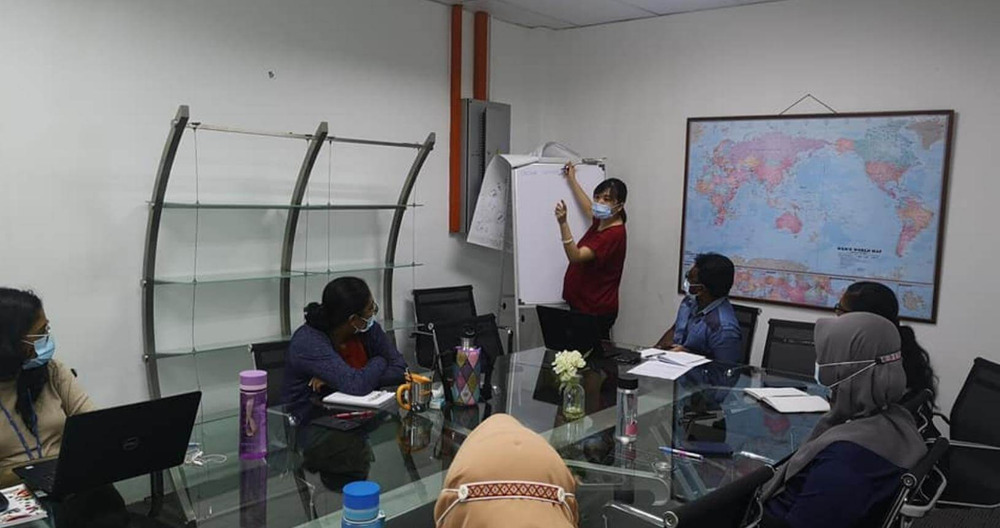
One Island Consultancy, a trusted ISO training provider in Malaysia, offers comprehensive training programmes tailored to meet the needs of different industries and ISO standards, ensuring your team is fully equipped to implement, maintain, and improve your management systems.
- ISO Awareness Training – Our awareness training introduces your team to the key principles, terminology, and requirements of the specific ISO standard you’re pursuing.
- Internal Auditor Training – Internal audit training prepares selected personnel to conduct internal audits effectively, identify non-conformities, and ensure ongoing compliance.
- Implementation Workshops – Practical sessions that guide your team in developing documentation, setting objectives, and integrating ISO processes into daily operations.
- Refresher & Transition Training – Keeps your team updated on changes to ISO standards and prepares them for re-certification or transitions to revised versions.
Our goal is to make ISO implementation clear, manageable, and aligned with your business operations—so your certification process is successful and sustainable.
ISO 9001 Implementation for a Malaysian Custom Packaging SME
One Island Consultancy supported Company B, a Malaysian SME in custom packaging manufacturing, in implementing ISO 9001:2015 to improve operational consistency and competitiveness in B2B tenders.
Through a structured approach involving process mapping, risk integration, quality training, SOP development, and mock audits, the company achieved significant results.
Key Outcomes
- Standardised inspection processes reduced internal rejection rates by 18%
- Structured complaint handling improved customer response time by 30%
- Staff training led to improved accountability and fewer non-conformities
- Late deliveries dropped from 12% to 5%, boosting customer satisfaction
- Enhanced internal communication and planning efficiency
Company B passed its ISO audit with minor findings and secured two new contracts from MNC clients within six months. The certification also opened doors to local government projects, establishing the company as a trusted vendor in local and global markets.
Strengthen Your Business with Expert ISO Guidance
ISO certification strategically strengthens business systems, boosts market credibility, and meets local and international expectations. Each standard serves a different purpose—be it enhancing quality, managing risk, safeguarding data, or creating safer work environments.
Instead of navigating the process alone, businesses benefit greatly from expert support throughout planning, application, and implementation.
One Island Consultancy offers structured guidance, practical training, and ongoing support to help your organisation stay compliant and competitive.
Looking to take the next step? Contact our team and discover how ISO certification can add measurable value to your operations.