

ISO 22000 vs HACCP: Why Both Certifications Are Essential for Food Safety
June 25, 2026
JAKIM Halal Certification: Step-by-Step Guide to Meeting Requirements
June 25, 2026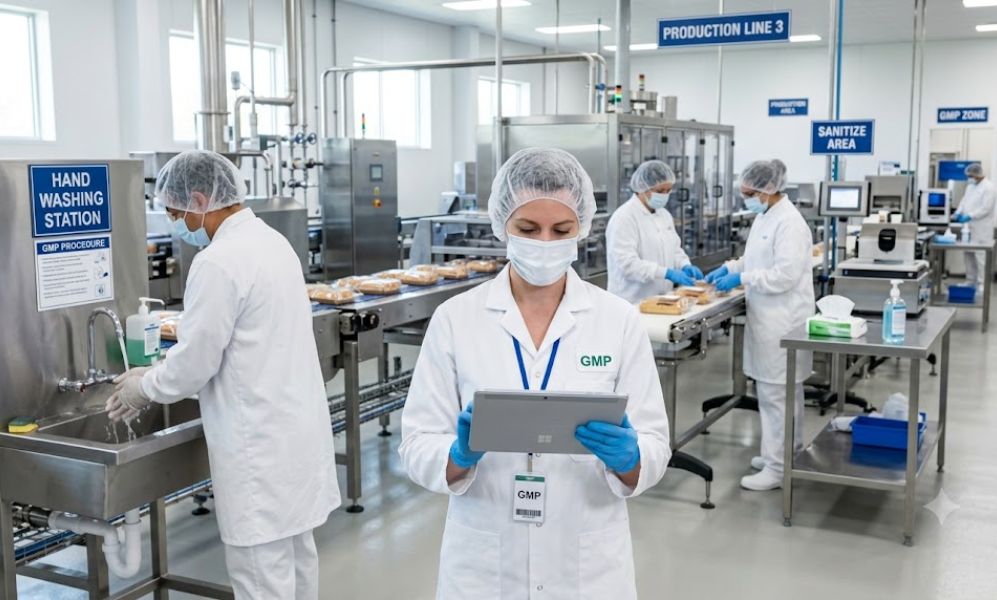
GMP compliance can open doors to stronger buyer confidence, smoother regulatory approval, and better market access.
However, many businesses face delays because of documentation gaps, poor staff awareness, weak hygiene controls, and audit non-conformances.
Here’s a practical GMP compliance checklist to review key audit areas before inspection. It is designed for businesses preparing for GMP certification or closing existing compliance gaps.
What Is GMP Compliance?
GMP compliance becomes easier to maintain when every department knows what to check before an audit.
Certification should not be treated as a paperwork exercise, because auditors will look for clear responsibilities, updated records, and trained staff who understand daily GMP practices.
Find out more about what is GMP certification in Malaysia to help you stay compliant while managing your food business.
Contact One Island Consultancy for gap analysis and GMP readiness assessments.
1. Documentation and Record-Keeping

Documentation is the backbone of GMP compliance. Auditors want to see that every process, deviation, and corrective action is recorded, traceable, and accessible. Here is where many businesses fall short:
- Outdated Standard Operating Procedures (SOPs) still referenced on the production floor while updated versions exist only digitally.
- Missing batch records or incomplete logbooks that cannot demonstrate process control.
- Corrective and Preventive Action (CAPA) records that are opened but never closed with evidence.
- Deviation reports that describe what happened but do not document root cause or follow-up actions.
Review all SOPs for version control and sign-off dates. Confirm batch records are complete for at least the past 12 months. Verify all open CAPAs have defined closure timelines.
2. Personnel Hygiene and Training
Your people are your first line of defence in GMP compliance. Gaps in hygiene practices or training records are among the top reasons organisations receive non-conformances during audits.
- No documented evidence that employees have completed GMP training relevant to their roles.
- Hygiene procedures posted but not consistently practised or monitored.
- Contract or temporary workers excluded from mandatory training programmes.
- No refresher training scheduled after process changes or corrective actions.
Maintain individual training records for all staff. Ensure training covers your specific products and processes. Schedule refresher sessions at least annually.
One Island Consultancy provides GMP training programmes tailored to your industry and workforce
3. Premises and Equipment Maintenance
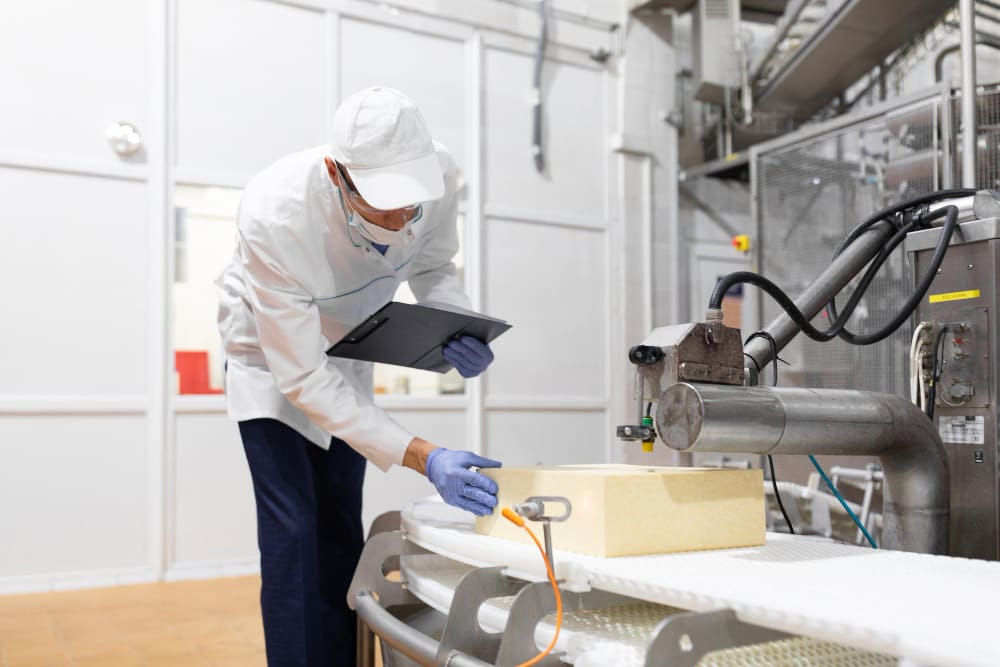
A facility that looks clean is not necessarily GMP-compliant. What matters is whether maintenance and cleaning are systematic, documented, and effective.
- Cleaning validation not conducted or records not available for critical equipment.
- Preventive maintenance schedules exist on paper but are not consistently followed.
- Equipment calibration records are expired or missing for instruments used in critical measurements.
- Pest control logs are incomplete or show gaps in inspection frequency.
Pull your equipment calibration log now. Check that no instrument is overdue. Review your preventive maintenance register and confirm the last three completed services are documented with sign-off.
Reach out to One Island Consultancy to discuss a customised training plan for GMP certification in Malaysia.
4. Raw Material and Supplier Controls
Product quality starts with what goes into it. Weak supplier controls are a frequent source of GMP failures that are easy to overlook until an audit exposes them.
- No approved supplier list or supplier qualification records on file.
- Raw materials accepted into production without incoming quality checks or certificates of analysis.
- Storage conditions for raw materials not monitored or recorded.
- Lot traceability breaks down between raw material receipt and finished goods dispatch.
Confirm you can trace any finished product batch back to the specific raw material lot used. If this exercise takes more than 30 minutes, your traceability system needs strengthening.
5. Internal Audits and Management Review
Organisations that achieve certification but never critically review their own systems are the most likely to face problems at the next external audit.
- Internal audits conducted too infrequently or by staff with no formal audit training.
- Audit findings acknowledged in meetings but not converted into formal CAPAs with ownership and deadlines.
- Management review meetings not held or not documented, leaving no record of top-level oversight.
Schedule your next internal audit with a trained auditor at least three months before any planned external inspection. Ensure every finding generates a CAPA with a named owner and a realistic completion date.
Get Practical GMP Training for Your Team Through One Island

One Island Consultancy is a management consultancy and ISO training provider specialising in helping businesses build and maintain compliant management systems.
Our GMP certification and training covers:
- GMP gap analysis and pre-audit assessments to identify compliance risks before your external audit.
- GMP training programmes for production staff, supervisors, and quality teams, delivered on-site or remotely.
- Documentation review and SOP development to bring your quality system up to certification standards.
- Ongoing compliance support to help you maintain GMP certification after the initial audit.
We work with businesses across food production, pharmaceuticals, cosmetics, and other regulated industries in Malaysia.
Strengthen Your GMP Compliance With One Island
GMP compliance works best when your systems, records, and team are audit-ready before the inspection begins. The gaps covered in this checklist are common, but they can be fixed with the right preparation.
One Island Consultancy supports Malaysian businesses with GMP gap analysis, staff training, documentation review, and certification guidance.
Contact One Island Consultancy today to prepare your team for GMP certification and build a stronger compliance system.
Frequently Asked Questions About GMP Compliance Checklist
A GMP compliance checklist covers SOPs, staff training, hygiene, records, equipment maintenance, production controls, and internal audit readiness.
A GMP compliance checklist helps businesses spot missing records, weak processes, and training gaps before the external audit.
Quality teams, production supervisors, and trained internal auditors should review the checklist together before inspection.
Review the GMP compliance checklist regularly, especially before internal audits, external audits, product launches, or major process changes.
Yes, One Island Consultancy provides GMP training and gap analysis to help businesses check, improve, and prepare their systems for certification.