
Course Overview
Internal auditing is fundamental to any improvement initiative. The GDPMD standard requires an organisation to conduct internal audits to determine the effectiveness of its Good Distribution Practice for Medical Devices system, and only trained internal auditors can carry out these audits.
This GDPMD training equips participants with the knowledge and skills needed to assess and report on the conformance and effective implementation of processes, and to contribute to the continual improvement of the management system. Through practical workshops, case studies and role-play, delegates gain the skills to plan, conduct and report audit findings, including follow-up audits on corrective actions taken to ensure continual improvement.
Good Distribution Practice of Medical Device training applies GDPMD requirements across storage, handling, transport, traceability, complaints and recalls, supporting the establishment-licensing requirements assessed by the Medical Device Authority. Establishments that also hold ISO 13485 for medical devices in Malaysia can align distribution controls with the wider quality management system so traceability and corrective-action records stay consistent.
Objective:
The programme aims to provide delegates with the knowledge and ability to:
- Understand and get involved in the audit process
- Improve audit efficiency and effectiveness
- Understand objectivity and consistency in the internal audit process
- Use auditing as a tool to monitor the performance of the company's Good Distribution Practice for Medical Devices Training
Agenda:
This one-day GDPMD training agenda covers GDPMD requirements and how they map to establishment licensing, audit planning and checklist preparation, the audit process from opening meeting to closing meeting, and audit reporting with corrective-action follow-up. Eligible programmes may be claimable under HRD Corp's SBL Khas scheme, subject to employer eligibility and programme approval.
-
-
9am
- Section 1 – Introduction to Auditing
- Section 2 – GDPMD Requirements
- General requirements
- Section 3 – Audit Planning
- Establish audit plan
- Workshop
-
1pm – 2pm
-
Lunch
-
-
2pm
- Section 4 – Audit Checklists
- Establish audit checklist based on GDPMD requirements
- Workshop
- Section 5 – Audit Process
- Opening Meeting
- Audit Method
- Audit reporting
- Closing Meeting
- Section 6 – Audit Reporting and Follow-up
- Section 4 – Audit Checklists
-
5pm
-
End of course
Certificate of Attendance will be awarded upon completion of course.
-
-
Training Methodology:
- Classroom lecture, brainstorming, exercises, questions and answers
Establishments that also run Good Manufacturing Practice (GMP) or HACCP training can align their Good Distribution Practice of Medical Device training internal-audit cycle with these existing programmes, coordinating audit schedules and corrective-action follow-up across systems.
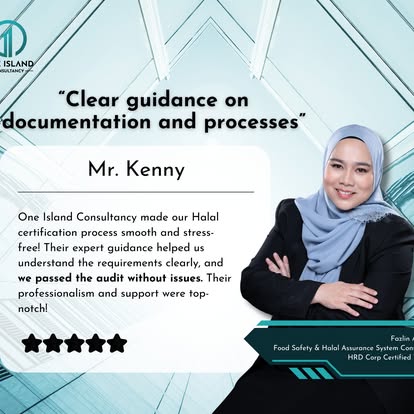
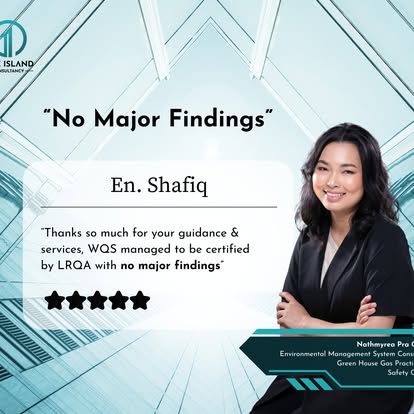
What Our Clients Say About One Island Consultancy













Frequently Asked Questions About Good Distribution Practice of Medical Device Training
Answers to common questions about establishment licensing, course duration, internal-auditor coverage, ISO 13485 and HRD Corp eligibility.
Enquire About GDPMD Training in Malaysia
Share your establishment activities, licence scope, distribution controls and current internal-audit programme. The course can then be matched to the responsibilities of your auditors and quality team.